How Often Should You Repaint the Exterior of a Chicago-Area Home?
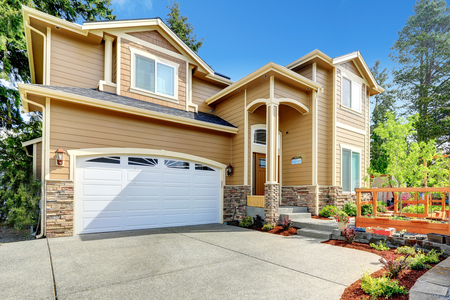
Chicago weather is tough on house paint. Between freeze-thaw cycles, lake-effect wind, summer sun, and driving rain, even quality coatings age faster here than in milder climates. Most homes around the city need a full repaint every 5 to 10 years, with trim and windows needing attention sooner. The exact timing depends on your siding material, sun exposure, and how well the last job was prepped and applied.
If you are already seeing early wear, it pays to plan ahead. A timely refresh protects your siding from moisture, keeps your curb appeal high, and helps avoid bigger repairs. When it is time to act, our team provides professional exterior painting tailored to Chicago's seasons and neighborhoods, from Lincoln Park and Lakeview to Jefferson Park, Hyde Park, and Beverly.
For a broader look at options and approach, explore exterior painting with 100% Painting Contractors Inc. You will see how our painting contractors assess each home's exposure, choose the right coatings for Chicago's climate, and schedule work during favorable weather windows.
What Drives Exterior Paint Lifespan in Chicago
Several local factors determine how long exterior paint will last on a Chicago home. Understanding them helps you set a realistic repaint cycle and avoid premature failure.
Temperature swings are the biggest culprit. Chicago winters push moisture into small cracks. Spring thaws and sunny days then expand the surface, stressing the paint film. Over time, this cycle leads to hairline cracks and loss of adhesion. UV exposure also matters. South- and west-facing elevations fade and chalk faster than shaded sides, especially on lighter or more vibrant colors.
Wind off Lake Michigan accelerates wear by driving rain under laps and into joints. Even away from the shoreline, gusty storms can push water behind trim and into open miters. Add in summer humidity and periodic heat waves, and paints that were not properly cured or primed can age in just a few years.
Finally, substrate matters. Wood needs breathable primers and tight caulk lines. Fiber-cement wants high-adhesion, alkali-resistant coatings. Painted brick and stucco require vapor-permeable products to let moisture escape. The closer your last project matched product to surface and conditions, the longer it will last in Chicago.
Recommended Repaint Timelines by Material
These are practical ranges for well-prepped, pro-applied coatings in our region. Your actual timeline may be shorter on sun-beaten or windward sides, or longer on sheltered elevations.
- Wood siding and shingles: plan for 5 to 7 years on field siding; trim, fascia, and window components often need 3 to 5 years.
- Fiber-cement siding: 8 to 10 years when primed and coated with quality 100 percent acrylic paint.
- Stucco: 7 to 10 years depending on permeability of coatings and exposure.
- Painted brick: 7 to 10 years with breathable masonry systems; mortar condition influences longevity.
- Previously painted vinyl or aluminum: 5 to 10 years with compatible coatings; color choice and sheen affect fade rates.
Trim cycles are shorter because narrow profiles collect water and expand faster with temperature shifts. Soffits, fascias, sills, and drip edges deserve closer monitoring between full repaints.
Clear Signs Your Home Needs Repainting Now
You do not have to wait for widespread peeling. If you see any of the following on your home in Edison Park, Bronzeville, West Loop, or anywhere in the metro, it is time to evaluate the exterior:
- Fading or chalky residue on your hand after touching the siding, especially on sun-facing walls.
- Hairline cracking, cupping, or small flakes at board edges and nail heads.
- Open or brittle caulk at joints, windows, or corner boards.
- Dark stains that return quickly after normal cleaning, or rust bleed-through on metal features.
- Exposed wood fibers or soft spots on sills, trim, or fascia boards.
Do not wait for peeling to expose bare wood. Once moisture reaches the substrate, repairs get more complex, and repainting requires extra prep. Addressing early warning signs keeps the project simpler and helps your next coating system last.
Why Trim, Windows, and Fascia Need Extra Attention
Trim fails first because it takes the brunt of weather. Window sills hold snow, drip edges catch wind-driven rain, and fascia boards get hammered by ice melt from the roofline. Movement at miter joints and nail holes also breaks the paint film faster than on wide, flat siding.
Watch your trim and sills. Small failures here can let water migrate behind the paint on the surrounding field siding. In Chicago's climate, that can turn a simple repaint into wood repair if left unchecked. Regular evaluations by experienced painting contractors help you catch these early and prioritize smart fixes before the next full repaint.
Planning Exterior Work Around Chicago Weather
Timing matters as much as product choice. Coatings cure best within specified temperature and humidity ranges, and those conditions change quickly along the lakefront and across neighborhoods like Edgewater, Rogers Park, and Near South Side. Sudden evening fog or a cool front can affect dry times even when a day starts sunny.
Aim for mid-spring through early fall in Chicago for best results. Late April through early October often provides the most reliable painting windows. Early morning starts might be delayed to let dew lift, and late-day wrap-ups are planned to avoid trapping moisture overnight. On hot stretches, shaded elevations are typically prioritized while crews let sunlit walls cool.
Local tip: Lake breezes can drop temperatures and raise humidity by mid-afternoon near the shore. A flexible schedule that shifts walls by sun and wind helps coatings cure correctly and can reduce the need for extra return trips.
Booking ahead is wise. Spring and fall are popular, and reliable teams fill calendars quickly. If your home in Andersonville or Beverly shows early wear now, putting a plan in place lets you secure a weather-friendly window before minor issues spread.
How Pros Make Exterior Paint Last Longer
Longevity starts with assessment. Pros check moisture content with meters, look for failing caulk, and identify previous coatings. Then they match primers and topcoats to the exact surface conditions. For example, tannin-blocking primers are selected for certain woods, while masonry gets breathable systems that allow moisture vapor to escape without blistering.
Surface preparation is deliberate and consistent. Loose paint is removed to a sound edge, glossy areas are scuff-sanded to promote adhesion, and joints are repaired with quality sealants compatible with the paint system. The crew also monitors weather conditions throughout the day, adjusting order of elevations to keep application within the manufacturer's guidelines.
Application technique matters too. Even mil thickness, proper back-brushing on rough-sawn wood, and honoring specified recoat windows help the film cure to full strength. When combined with clean cut lines and coverage to the proper build, you get a finish that resists Chicago's UV, wind, and moisture longer. If you want a detailed plan for your home, our exterior painting service outlines prep, coatings, and scheduling designed for local weather patterns.
How Often Should You Repaint in Different Chicago Settings
Sun, wind, and shelter vary widely across the city. A north-facing brick two-flat in Hyde Park may go close to a decade between coats, while a south- and west-exposed frame bungalow in Garfield Ridge could show chalking or micro-cracking several years sooner. Tall homes that sit above neighboring roofs can also take more wind and need earlier spot work on fascia and rake boards.
Shaded streets with mature trees, like parts of Oak Park and Ravenswood just outside the core, often see slower UV fade but higher moisture lingering after storms. That tradeoff can challenge paint on low trim and porch details. In each case, a measured inspection leads to a repaint schedule that fits your block, not just a generic rule.
Set a Simple, Reliable Repaint Schedule
Here is a straightforward way to think about it. Most Chicago homes do well with a full exterior repaint in the 5 to 10 year range, checked annually for trim and window touch-ups. Homes with intense sun or wind exposure benefit from closer to the front of that window, while sheltered sides often last longer. The best schedule is the one that responds to what your home is telling you, with small interventions before the paint system breaks down.
That is where an experienced local crew adds value. 100% Painting Contractors Inc assigns a project lead who tracks your home's exposure and documents each coating used. When the seasons shift, you will know whether a light maintenance tune-up is enough or if it is time to plan the next full project. If your siding, brick, or stucco needs a refresh, our painting contractors are ready to help across the city.
Get Expert Help From Trusted Chicago Painting Contractors
Ready to schedule exterior painting for your Chicago home? Talk with a specialist who understands our weather, substrates, and neighborhood styles. Call 773-240-8510 to discuss timing, materials, and the best approach for your block and elevation mix.
If you want a deeper dive into process and maintenance planning, our team can walk you through options and a timeline that fits your home's exposure. We will map sun and wind patterns, note areas that need shorter cycles, and propose coatings that balance color retention with breathability. When you are ready, our exterior painters can coordinate a start date that aligns with the most favorable Chicago weather window.
Whether you live near the lake in Edgewater or along tree-lined streets in Beverly, smart scheduling and the right system will keep your exterior looking fresh longer. If you are comparing approaches or building a long-term plan, start with the fundamentals on exterior painting and then tailor the schedule to your home's material and exposure.
Choose 100% Painting Contractors Inc In Chicago For Your Next Painting Project!